
What Parents of Students with School Behavior Problems Need to Know

One of the most frustrating parts of sending your child to school, is when they are sent right back home for poor behavior or sent out of the classroom to sit in the office. All the while you are constantly being called by the school to remedy the problem in some form; speaking to your child on the phone, picking your child up from school, coming into the school to mediate, etc. Every parent wants their child to be happy at school. Knowing that your child has behavioral incidents daily, is certainly not a happy place for either child or parent to be in. We don’t want our children to struggle and at the same time there is a defensiveness that kicks in as a parent of a child that is always the one getting in trouble. We don’t want to feel that our child is under attack. AND most importantly, every parent wants to know that their child is in a school where they are understood and wanted. I understand what you are experiencing, because I have advised countless parents in this same situation.

Here is what I want you to understand if your child experiences regular conduct issues in school…

The school is obligated to provide support to your child through the course of his or her behavioral difficulties, this help isn’t a matter of “favor”, it’s a mandate by section 504 and IDEA 2004.

The school’s primary role when behavior problems form a pattern is to initiate proactive strategies that come in the form of a Positive Behavior Intervention Plan (PBIP) based on a comprehension Functional Behavioral Assessment. A Functional Behavioral Assessment (FBA) is an evaluation tool used to determine the function or reason for a student’s problem behavior(s). Without understanding the reason, we cannot create an appropriate plan of action, which would come in the form of teaching the child replacement behaviors that will get them what they are seeking.

Your child, disabled or non disabled, should NOT be removed from his/her educational setting more than ten days in a school year without proactive measures in place- including evaluating the behavior from a scientific perspective (FBA), creating a scientific behavior intervention plan and considering if further services/related services are needed. Before a student reaches 10 days of suspension a Manifestation Hearing must take place to determine if the behavior was a result of a student’s disability (if applicable) or unrelated. If the behavior was a result of the student’s disability (yes adhd constitutes as a disability), then the school must take proactive measures to modify behavior and to provide support where there is a need.

Both federal, state and district policies protect children that are experiencing behavioral difficulties in school, in many cases even when the student is not an official student with a disability. If the school has suspicion of a disability and action wasn’t taken to evaluate and consider the development of an IEP, then your child still qualifies for the same procedures and protections that students with a 504 Plan or an IEP have as a student with a disability.

Whether a child is a student with a disability already, in the process of becoming eligible for an IEP or 504 Plan, or a general education student… if there is a pattern of misbehavior, regular classroom removals (in or out of school- official or unofficial), it is important that guidance is sought to determine if the correct procedures are being implemented to ensure the student gets the help that they need with the social and emotional challenges they are facing. Understanding the difference between a change of approach and a change in placement can help you push for the right supports before a more restrictive setting is considered. When a child is “failing” or regressing academically and/or behaviorally, general education interventions should go into effect and response to intervention data must be collected. Response to Intervention is a three tiered system of research based instruction with regular data collection to determine if a student responds positively to interventions, and thus might not need specialized instruction, but rather continued interventions to close gaps. In the case of behavior, this data would be collected while implementing a research based Behavior Intervention Plan with daily data collection to measure the frequency of target behaviors. While general education interventions are going on (12-16 week process), the child find team should determine if additional evaluations beyond the FBA are required to conduct a complete evaluation of the student. During this period, the child would already be under the legal protection of students with disabilities, given that suspicion of a disability is evident, as the process has been initiated. Suspicion of a disability can also come in the form of the parent alerting the school of a concern or a diagnosis.

Parents, when you make the school aware of your concerns, do so via email, conversations get forgotten but email creates a paper trail. Remember, a Functional Assessment of Behavior is considered an evaluation measure, and just like any other evaluation, in order for the evaluation to take place, the parent must sign consent to evaluate. On the frontend, at the time that you sign consent, make sure that you reiterate all of the concerns that you have and that you have heard from the teachers and outside professionals. Make sure that the evaluation will cover all areas of concern.

We hope this article has helped.

If you have any further questions about the content presented in this article, please contact info@myeducationalsolutions.com or Krista Barth directly at krista@myeducationalsolutions.com. Blog posts are intended to provide general information on a topic. For more individualized information please fill out our contact us form and/or book a consultation.

Krista Barth, Special Needs Advocate

krista@myeducationalsolutions.com

305-510-6739
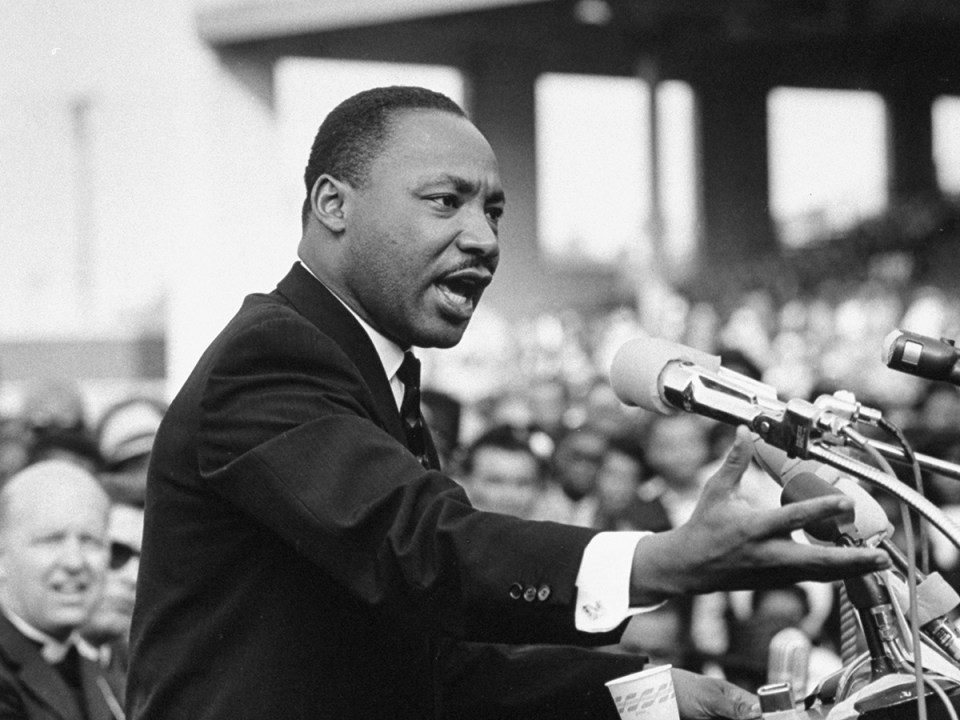
What Martin Luther King Junior’s Mission Meant for Students with Disabilities


The Civil Rights Movement paved the way for the simple consideration that individuals with disabilities are entitled to equal access and that separate is inherently unequal, when the basis of separation is a characteristic or condition that one is born with (being a woman, being a certain ethnicity/color, being disabled, medically fragile, etc). This is what leaders during the civil rights movement, most notably Martin Luther King Jr., fought to make a reality for not only people of color, but for all oppressed, ignored and marginalized people. As Dr. King said so eloquently,  “It is not possible to be in favor of justice for some people and not be in favor of justice for all people.”

One of the most important pieces of legislature in the long battle of fighting segregation of African Americans in our schools was Brown versus the Board of Education. The supreme court decision that separate schools for blacks and whites were inherently unequal and therefore unconstitutional  became an important case decision for later fights for students with disabilities and have been referenced over and over again by special education attorneys to “win” a place in the public school classroom for their clients. Brown versus the Board of Education truly is the strongest case decision in support for integrating students with disabilities in our public school classrooms. It builds a historical context for the current inclusion efforts nationwide, the Least Restrictive Environment mandate in IDEA and the general principles of fairness that most Americans, at least superficially, subscribe to today.

The Civil Rights Movement accomplished much; Jim Crow practices were outlawed and the Civil Rights Act of 1964 was put into effect, arguably the most comprehensive civil rights document in our nation’s history. In Martin Luther King’s lifetime he was able to see the positive outcomes of the movement that he led, his life was not in vain.  

The impact of MLK’s voice and strong stance extended beyond his years of protest and far beyond his lifetime, he was an inspiration to all underrepresented groups. He was and is, an inspiration to Americans with disabilities who fought for their place in society in a similar fashion and drew on the courage and verbage of the African American Civil Rights Movement to fuel their way and to influence legislature that came over thirty years later with the Americans with Disabilities Act. One could say that the efforts of Martin Luther King Junior and the Civil Rights Movement at large, gave a legitimacy and a point of reference to the disability movement. This positive outcome wasn’t on accident and it doesn’t take away from the focus of the black movement, but rather it strengthens it and furthermore solidifies what Dr. King cared about most, justice for all people.  

While the legal overt discrimination of blacks and other minority ethnic groups was outlawed through the Civil Rights Act of 1964, it wasn’t until 1990 that the Americans with Disabilities Act was passed and that the overt discrimination of persons with disabilities was outlawed. People with disabilities have Dr. King and other civil rights leaders to thank for setting a benchmark for them in the fight for civil rights.

One does not choose to be a certain race, just as one does not elect to be disabled or nondisabled, and neither fact of birth should determine one’s ability to be counted in society. This basic concept has been accounted for in both pieces of civil rights legislature, but we know that the fight for equal opportunity continues in 2018. Though we have come a long way, we still have a long way to go. AND though direct acts of discrimination are less widespread and widely accepted than in the 1950’s, indirect acts take place everyday and in every community. Though not as “in your face”, indirect acts of discrimination can be as impactful to a person’s life outcomes as direct.

Segregated environments still exists today in many of our public schools and most teachers, administrators, parents and citizens don’t seem to relate to self contained special needs environments as a practice of segregation, when it fact it is. While most would consider it inherently discriminatory for a black or hispanic student to be placed in a separate school based on their race alone, many would not flinch to see this done to a student with a disability, as it is commonplace and largely seen as an “unavoidable” practice.  

While we no longer live in a society where separate but “equal” is justifiable or legal for students of color in a direct context, we see our neighborhood public schools largely color coded based, instead, on a student’s zip code. Socioeconomic status makes changing zip codes out of reach for many low income minority families, thus maintaining the status quo of majority minority public schools and the concept that separate is inherently unequal. The increase in charter schools, magnet schools and state private school scholarship funds has paved a way for more diverse schooling options for students that live in majority minority neighborhoods and in some cases attempts to do so for students with disabilities (i.e. in FL the McKay Scholarship Fund), however those same schools continue to discriminate against students with disabilities, accepting them when they apply to meet anti discrimination law requirements, but shortly into the school year suggesting transfer to a school that will “better meet their needs”.  

The purpose of schooling is to prepare students for the working world, aka “the real world”. Jobs, schools, organizations, hospitals, everywhere we go to work and learn we will be exposed to and mandated to collaborate will all kinds of people. The diversity that students will one day meet is endless- diversity of learners, diversity of races, diversity of thinking, diversity of sexuality, religious diversity, just to name a few. Yet our schools are largely NOT preparing students for what will come. Self contained schools and classrooms fail to prepare students with disabilities for any life after school, except for one that continues to be segregated, which will in turn prevent participation in the fabric of our society which is integrated. Change that we wish to see must begin in our schools. We must hold our schools accountable to the principles and ideology of IDEA 2004 that states, “Disability is a natural part of the human experience and in no way diminishes the right of individuals to participate in or contribute to society. Improving educational results for children with disabilities is an essential element of our national policy of ensuring equality of opportunity, full participation, independent living and economic self sufficiency for individuals with disabilities.”


So what has Dr. King’s message meant to people with disabilities?


  • It means hope, it means life, it means motivation to fight, it means commonality
  • His words give hope for true inclusion
  • His words create connection
  • His speeches are relatable
  • His life and his death were worthwhile then and now
  • His fight continues to be fought through parents, children, school district professionals,  educational advocates and attorneys


And our greatest fight is for students with disabilities of color in the most segregated of schooling environments, segregated based on race/zip code and segregated further because of disability


“People fail to get along because they fear each other; they fear each other because they don’t know each other; they don’t know each other because they have not communicated with each other.”


-Martin Luther King Junior


Krista Barth, Special Needs Advocate

krista@myeducationalsolutions.com

305-510-6739
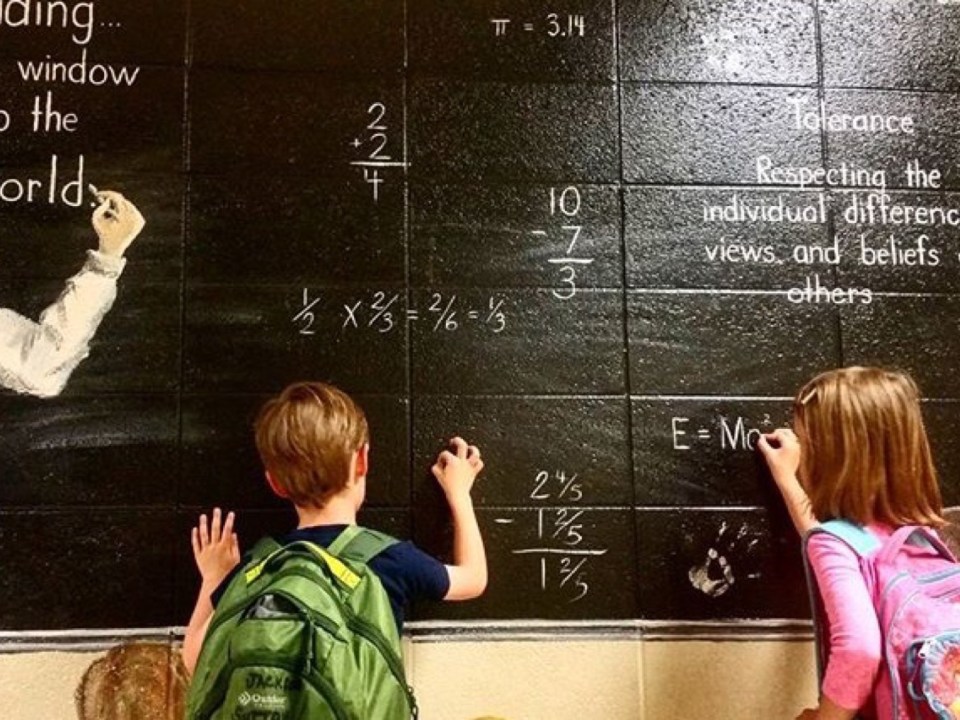
It’s Your Child’s Right to Be Included

Least Restrictive Environment

When it comes to addressing your child’s needs, there are several ways in which the law requires schools to provide these necessary educational services. They do so through a federal law that was established in 2004, known as IDEA, or Individuals with Disabilities Education Act.

The IDEA provides rights and protections to children with disabilities, gives parents a voice, and ultimately requires school districts to provide each student with a free appropriate public education (FAPE) in the least restrictive environment (LRE) to the maximum extent appropriate.

Student to student what the least restrictive environment is can vary based on individual needs and special considerations. The setting must be educationally sound, meaning the structure, student to teacher ratio and specialized services or lack thereof,  are designed to enable the student to continue to progress within their curriculum.

What does the Least Restrictive Environment mean?

The IDEA ensures that students with disabilities will be provided with an education in the regular classroom given appropriate aids and supports alongside nondisabled peers to the maximum extent appropriate and in so long as it’s educationally appropriate. In doing so, students with disabilities are not only given an individualized plan (IEP) fit to meet their unique educational needs, which ultimately facilitates and creates an environment where the student can thrive, but also the IEP should ideally provide opportunities for inclusion, even to students with moderate to severe disabilities. The benefits of inclusions apply not only to children with mild challenges, but also to those with moderate to severe, contrary to popular opinion. Learn more about the value of inclusive education for all students.  Inclusion is a vital part of a child’s educational process as it gives the child the right social and emotional tools to use in their journey within and outside their schooling years. We live in an inclusive world. There aren’t self contained “special” classrooms in higher education and I haven’t seen any companies that exclusively hire persons with special needs. We must all, disabled and nondisabled, learn to work together and effectively utilize one another’s unique skill sets, strengths and weaknesses. This is a vital part of coexisting as a diverse and strong country.

What does the acronym FAPE mean?

  • Free– eligible students with disabilities will be educated at public expense and there will be no cost to the parent.
  • Appropriate refers to the concept behind tailoring an individualized educational plan (IEP) to the needs of a child with a disability. Certain accommodations and modifications will have to be made through the IEP to ensure the child’s success within their respective curriculum.
  • Public, meaning public school system; a child with a disability has the right to be educated in a public school.
  • Education, which is what a child with a disability, must be rightfully provided within their least restrictive environment.


The IDEA deems it important that the parents of children with disabilities are provided with procedural safeguards to allow them to advocate for the educational rights of their child. This involvement of meetings, examination of records, and participation in the decisions of setting and placement for their child helps ensure that the parent has a voice. These concepts are applied through the development of an IEP, where the parents and a school team work together to outline the services necessary for the child to benefit from their educational program and beyond. They must be reviewed and updated every year. The IEP is not a static document, it should evolve over the course of a child’s educational journey, and hopefully tells a story of progress.

To learn more about LRE and Inclusion, please contact:

Krista Barth, Special Needs Advocate

krista@myeducationalsolutions.com

305-510-6739

Welcome to MyEducationalSolutions.com

Special Needs Child Learning

My Educational Solutions provides a multitude of services for parents of children who are having a difficult time academically and behaviorally. The mission of the company is to be an all inclusive problem-to-solution bridge for parents to walk across and reach real answers for their children, that will equate to transformation in the child’s life and future. The company provides testing, behavioral support, parent advisement and special needs advocacy. They help parents maximize their child’s current placement and find school placement changes when necessary which include local schools, magnet schools, charter schools, private schools and homeschooling options.

Advice is as individual as each child is.